Engaging an Unengaged Demographic: What My PhD Research Taught Me About Engagement
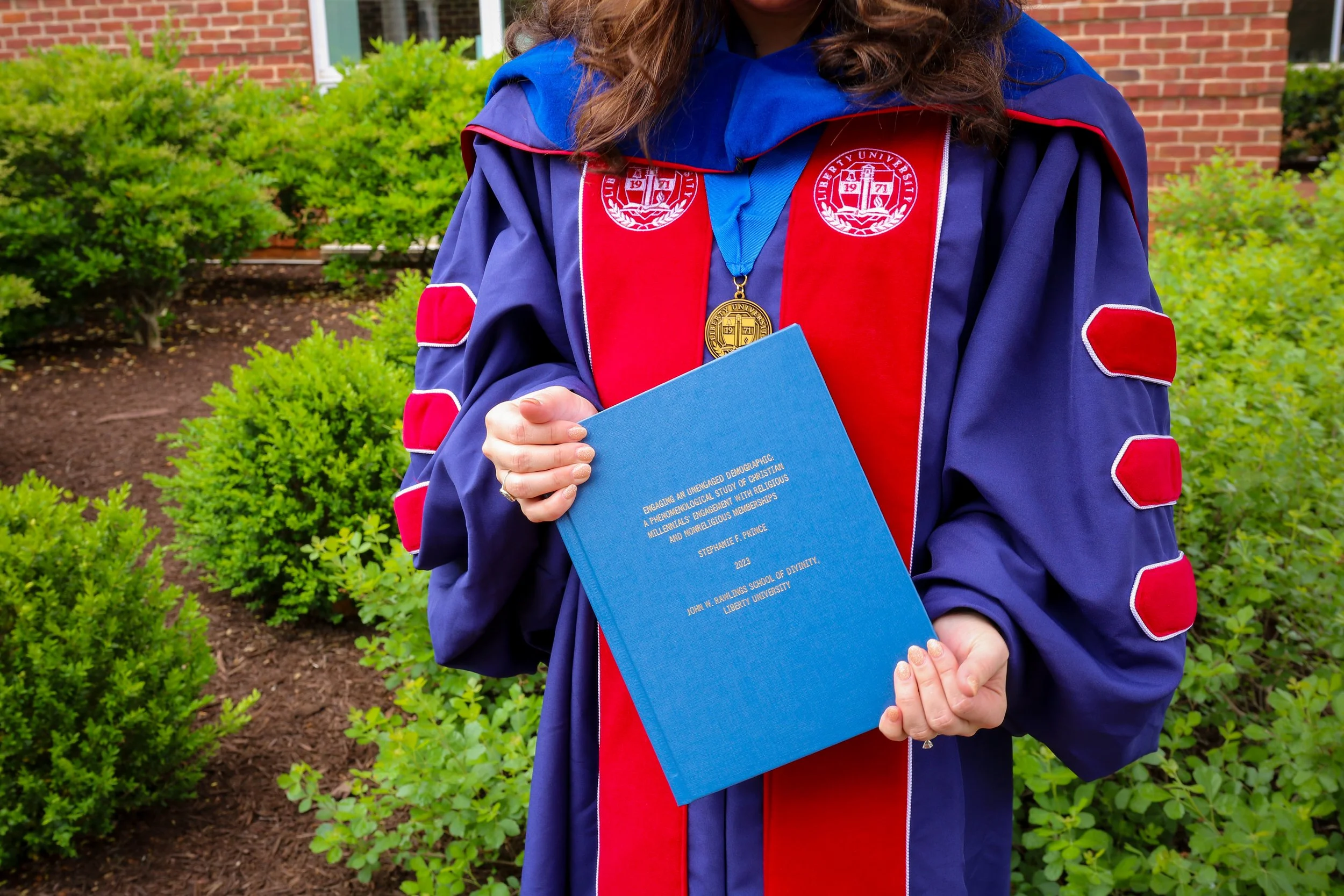
In 2023, I completed my PhD in Christian Leadership and published a doctoral dissertation titled, Engaging an Unengaged Demographic: A Phenomenological Study of Christian Millennials’ Engagement with Religious and Nonreligious Memberships.
At the center of my research was a question many churches are quietly asking: Why are Christian Millennials committed to fitness studios, social clubs, and brands, yet hesitant to formalize church membership?
One of the most striking findings of my research was this: Millennials are not anti-membership. In fact, they demonstrate high levels of loyalty in nonreligious memberships including gyms, boutique fitness studios, social organizations, subscription services. Millennials do not resist membership. They resist misalignment.
Millennials commit where they perceive:
Clear value
Identity alignment
Growth opportunities
Community
Meaning
Four Themes That Shape Engagement
1. Belongingness
Millennial participants consistently expressed a deep desire for authentic belonging. We’re not talking about surface-level friendliness or age-specific programming, but a true sense of belonging. Belonging is described as being known, needed, and connected.
Intentionality plays a quiet role here. Ask yourself: Is it clear how someone moves from attending to belonging? Are next steps visible? Does the digital presence reflect a cohesive identity?
If belonging is unclear, engagement weakens.
2. Value
Millennials evaluate memberships through perceived value. In nonreligious contexts, value is communicated clearly:
What you receive
What is expected
What the commitment means
In church contexts, expectations are sometimes assumed rather than articulated. When value is unclear, hesitation increases. What churches need to be clearly communicating to Millennials is:
This matters.
This is meaningful.
This is worth committing to.
3. Growth
Millennials described growth, spiritual, emotional, and relational, as essential to sustained commitment. Where growth pathways were unclear, membership felt static.
In nonreligious memberships, growth is structured:
Levels
Progress
Milestones
Measurable development
Churches often value growth deeply but fail to visually or structurally communicate the pathway.
Churches need to show people:
Here is where you are
Here is where you’re going
Here is how we will walk with you
4. Transcendence
This was perhaps the most important theme. Millennials long for meaning beyond themselves. They are not searching merely for convenience or community. They are searching for purpose.
Ironically, nonreligious organizations often communicate transcendence more clearly than churches, most commonly through ritual, identity markers, shared language, and symbolic belonging.
Symbols matter
Language matters
Environment matters
When church branding feels generic or disconnected from mission, transcendence fades into functionality. Design cannot create spiritual transformation but it can either reinforce or undermine belonging.
When mission, messaging, visual identity, and next steps align:
Belonging strengthens
Value becomes visible
Growth feels intentional
Transcendence becomes tangible
When they do not align, disconnect quietly grows.
My research affirmed something I have seen in ministry for over a decade:
People engage where they feel known.
They commit where they see value.
They stay where they experience growth.
They flourish where they encounter transcendence.
Belonging is not accidental. It is cultivated.
This article may not be republished without written permission from Stephanie F. Prince.